
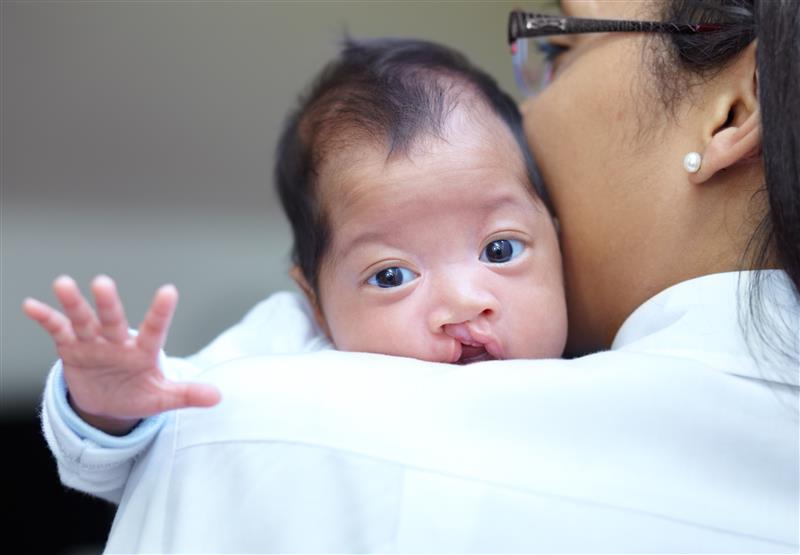
What is Cleft Lip and Palate?
Cleft lip and palate are birth conditions. In these, a baby’s lip or the roof of the mouth does not form fully. As a result, there is a gap or opening. This can affect eating, speaking, and dental health. According to the World Health Organization (WHO), these conditions are among the most common birth differences worldwide. Early treatment, including surgery, helps children lead healthy lives. However, dental care is important at every stage.
Importance of Dental Care in Cleft Lip and Palate
Good dental care is vital for children with cleft lip and palate. Because of the gap, teeth may grow in unusual ways. Sometimes, teeth are missing or crowded. Also, food can get trapped easily, leading to cavities or gum problems. With proper oral hygiene, children can avoid many dental issues. In fact, the Centers for Disease Control and Prevention (CDC) recommends regular dental visits for children with cleft conditions. Healthy teeth also help with speech and eating after surgery.
Dental Care Before Surgery
Before surgery, keeping the mouth clean is very important. This helps prevent infections and supports healing later. Parents and caregivers can follow these tips:
Additionally, ask your dental team about special bottles or feeding tools. These can make feeding easier and safer before surgery. For more guidance, the American Cleft Palate-Craniofacial Association suggests working closely with your care team.
Dental Care After Surgery
After cleft lip and palate surgery, the mouth needs time to heal. However, gentle dental care remains important. Here are some steps to follow:
Moreover, your dental team may suggest special toothpaste or mouth rinses. These help keep the mouth clean while it heals. Always follow your doctor’s instructions for the best results.
Common Challenges and Solutions
Children with cleft lip and palate may face some common dental challenges. But with the right support, these can be managed:
Sometimes, children may need braces or other dental treatments as they grow. Early planning with your dental team can make these steps easier.
Prevention and Lifestyle Guidance
While cleft lip and palate cannot always be prevented, healthy habits support better outcomes. Here are some tips:
Additionally, ask your care team about local resources and support. Many hospitals offer special programs for children with cleft lip and palate.
Conclusion
In summary, dental care before and after cleft lip and palate surgery is essential. Good oral hygiene helps with healing, eating, and speaking. For the best results, follow your dental team’s advice and keep up with regular check-ups. Consult a dental specialist for personalized advice on cleft lip and palate care.